Sport in the Age of Acceleration: Why it Has Never Mattered More
23 October 2025

We are living in an unprecedented era. As Kosner puts it, the pace of technological change is accelerating, driven by the ubiquity of smartphones, the rise of streaming, and the advent of AI. Yet, amidst this disruption, sport stands as a beacon of stability and growth.
“Sports has never been more popular. It has never been more important,” Kosner asserts. In a world of on-demand, often free entertainment, sport remains the only truly differentiated content—the only genre that demands to be watched live. It is a unifying force that transcends political divides, bringing people together to root for a side.
The Rise of the Athlete-Influencer
One of the most significant shifts Kosner identifies is the changing relationship between fans and athletes. Social media has empowered individual stars to build personal brands that often eclipse the teams and leagues they represent. This direct connection has opened up vast commercial opportunities, particularly for college athletes in the US through Name, Image, and Likeness (NIL) deals.
While this empowerment is largely positive, Kosner warns of potential downsides for team cohesion. “Will the motivation to win... be as strong going forward?” he asks. However, he ultimately views this shift as overdue, forcing leagues and teams to raise their game in terms of brand building and communication.
The Fragmentation of Competition
The sporting calendar is becoming increasingly crowded with new leagues and formats, from LIV Golf to the Kings League in football. While these disruptors are attracting attention, Kosner cautions that replicating the context and prestige of major events is difficult.
“It’s not just that Jannik Sinner and Carlos Alcaraz are the top tennis players. It’s the context of them meeting at Wimbledon,” he explains. Without the history and meaning that players and fans attach to established events, new ventures risk feeling like a “split environment” where the best are not consistently competing against the best.
The Caitlin Clark Effect and Women’s Sport
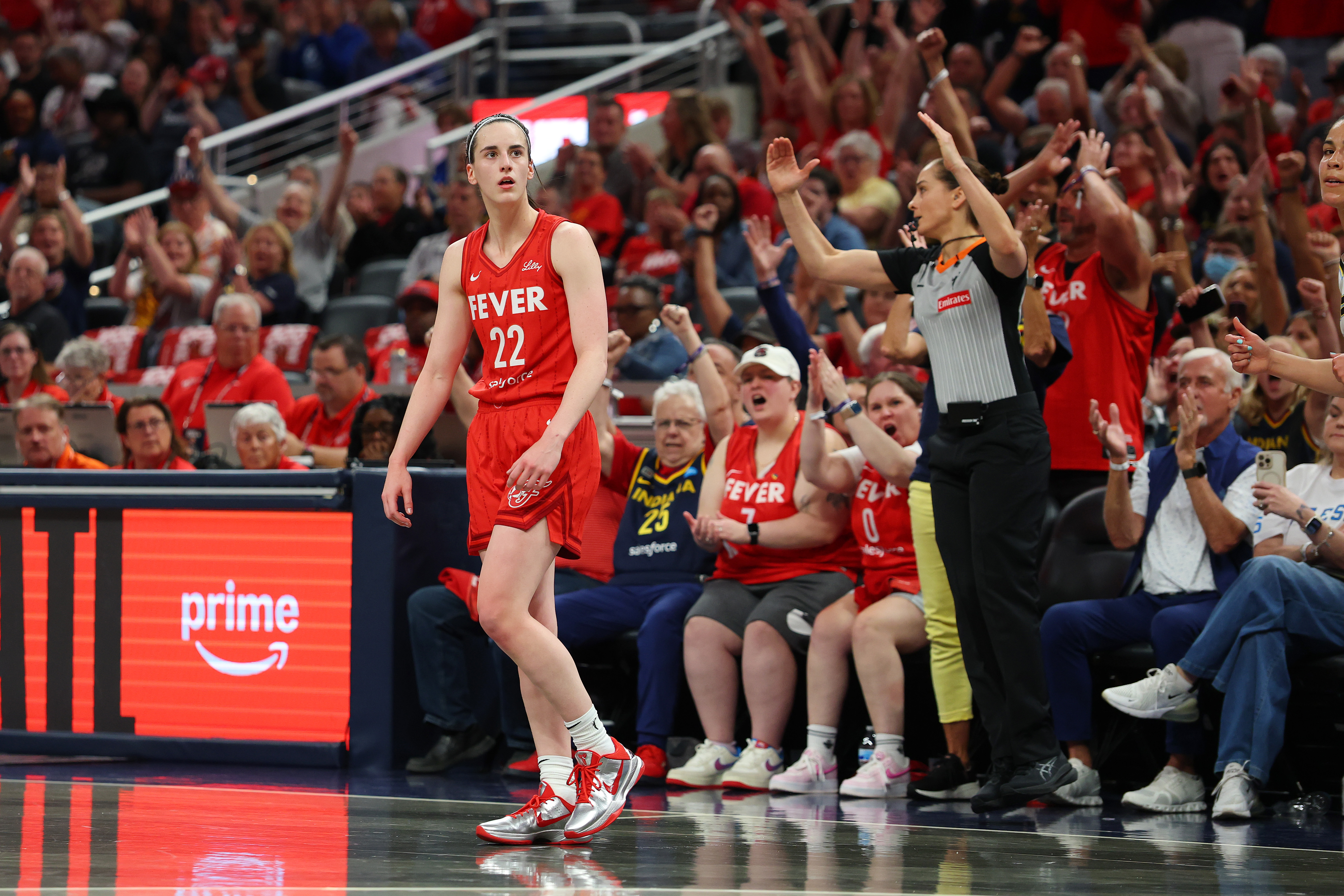
Kosner is unequivocal about the boom in women’s sport, attributing it to 50 years of Title IX in the US, the evolution of athleticism, and the emergence of transcendent stars. He places basketball sensation Caitlin Clark in an elite category of athletes who have fundamentally changed their sport.
“In my lifetime, Muhammad Ali, Michael Jordan, Tiger Woods, and Caitlin Clark are the only four athletes that have been able to get fans who didn’t care... to turn on and watch a sport,” he states. This phenomenon, coupled with the success of the Lionesses in the UK and the growth of the NWSL, points to a future where women’s sport is a major commercial powerhouse.
The Future of Broadcasting
For those worried about the future of traditional sports media, Kosner offers a reassuring perspective. While attention spans may be shrinking, recent Nielsen data shows that TV ratings for major sports like the NFL and MLB are up, suggesting that the appetite for full-game coverage remains strong.
However, the delivery of that coverage will evolve. Kosner predicts a future of “multiple feeds,” where traditional play-by-play is supplemented by influencer channels, strategy-focused streams, and hometown-centric coverage. For broadcasters like Todd Harris, the message is clear: quality storytelling and preparation will always be in demand.
“I really appreciate those announcers who do their homework... that’s never gone out of fashion,” Kosner says.
To hear John Kosner’s full analysis on everything from the recession-proof nature of sport to his advice for the next generation of leaders, listen to the full interview on the This Sporting Planet podcast or watch on our YouTube channel.